University of Tennessee, Knoxville

DOMAIN Lab

Disordered, Ordered, Magnetic, Artificial, and Interacting Nanomaterials. We study functional materials where nanoscale structure, magnetic order, topology, and scattering measurements reveal new behavior.

Led by Dustin A. Gilbert, Associate Professor of Materials Science and Engineering.

93refereed journal publications
61invited talks
3patents
34h-index
DOEEarly Career Award
NSSAScience Prize

What we do

Magnetism, nanomaterials, and scattering across ordered and disordered systems.

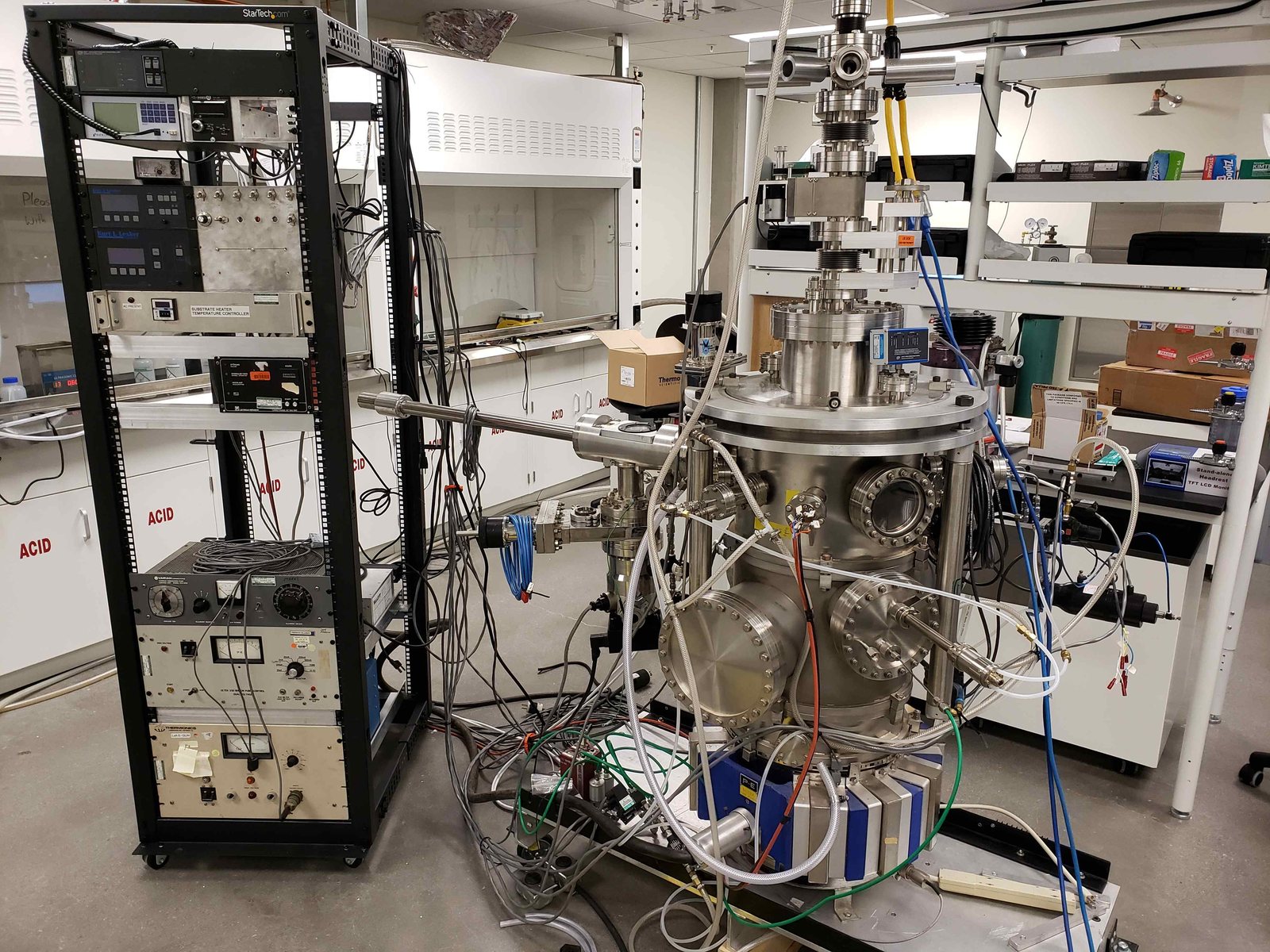
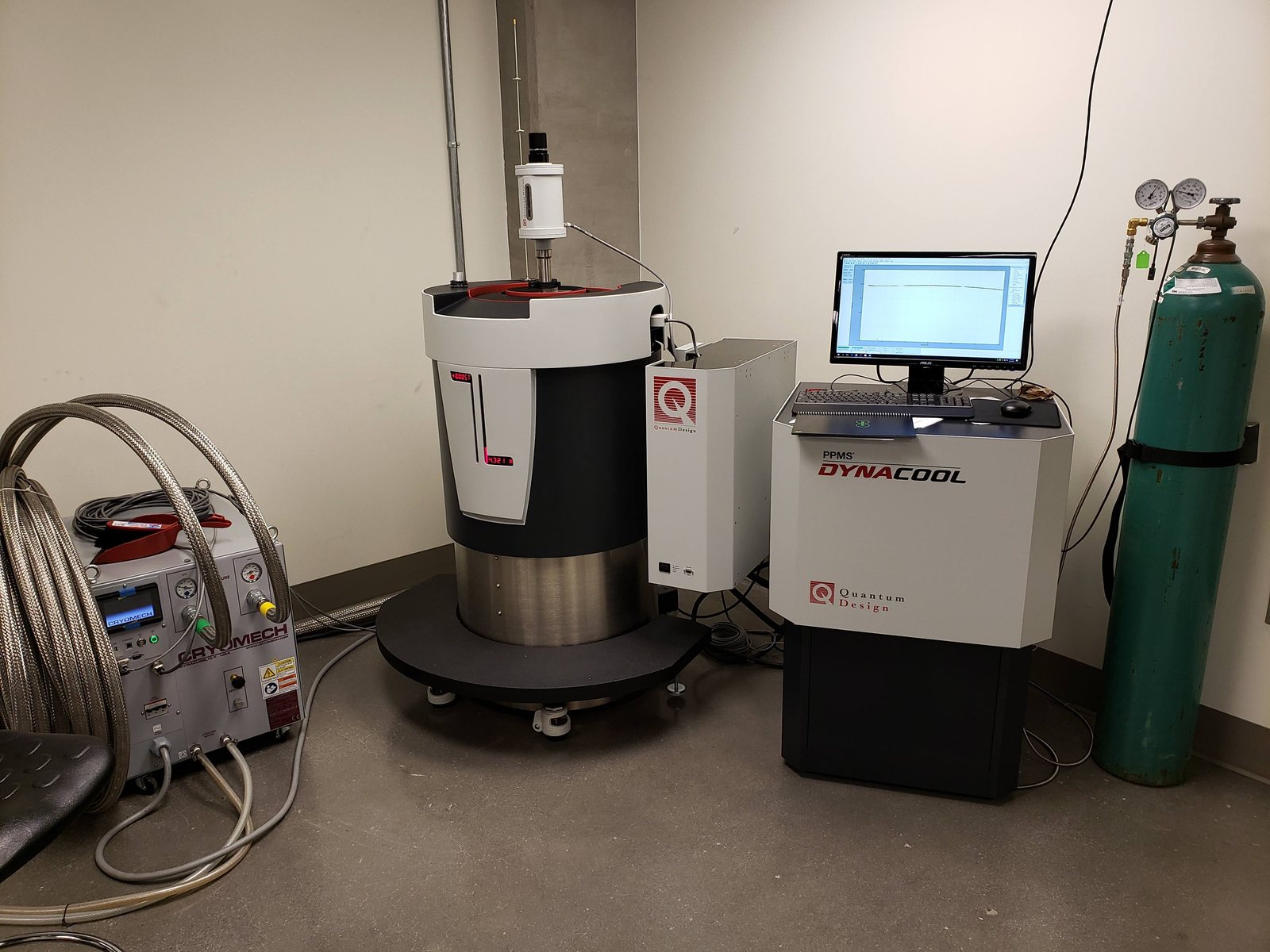
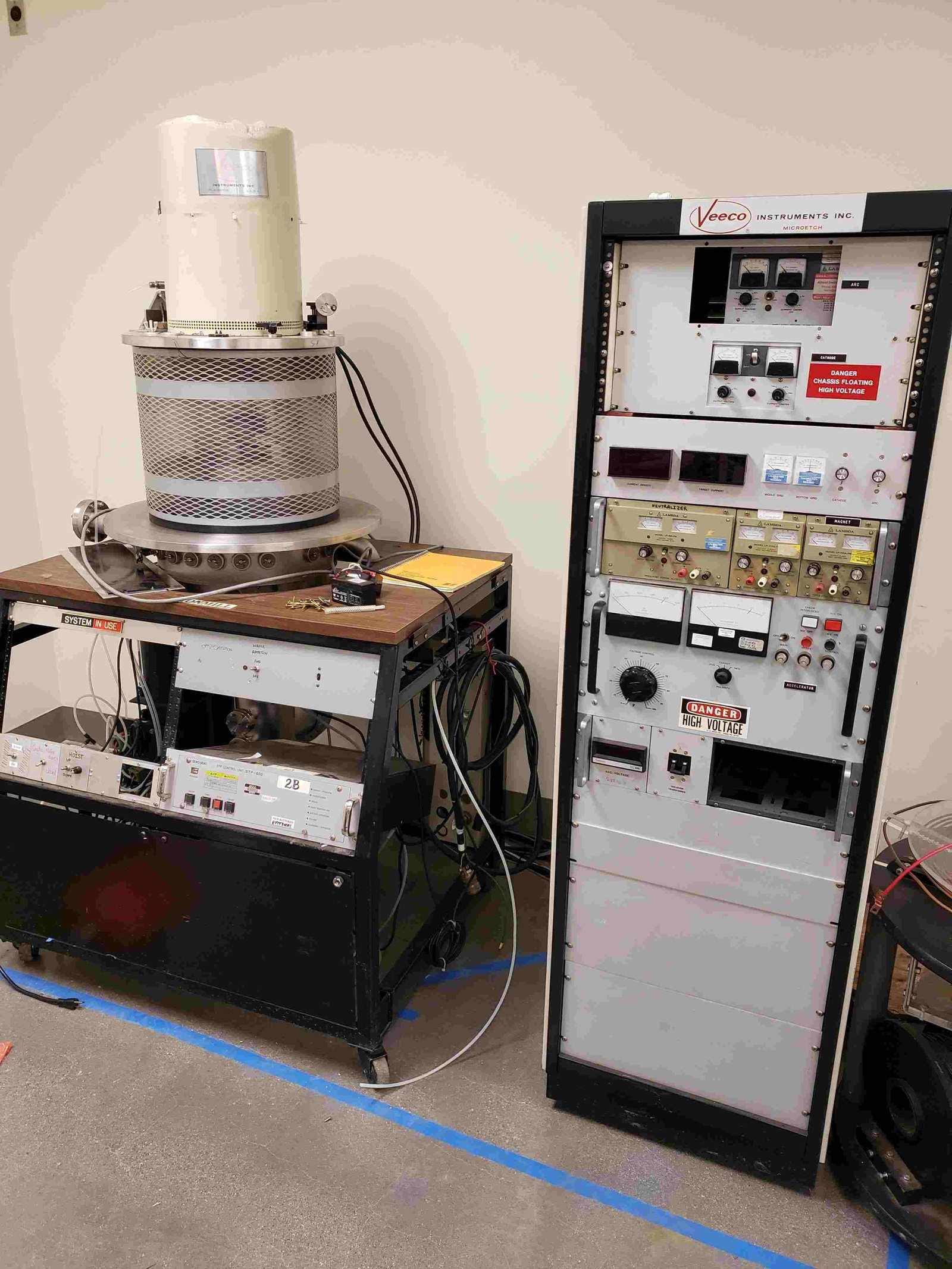
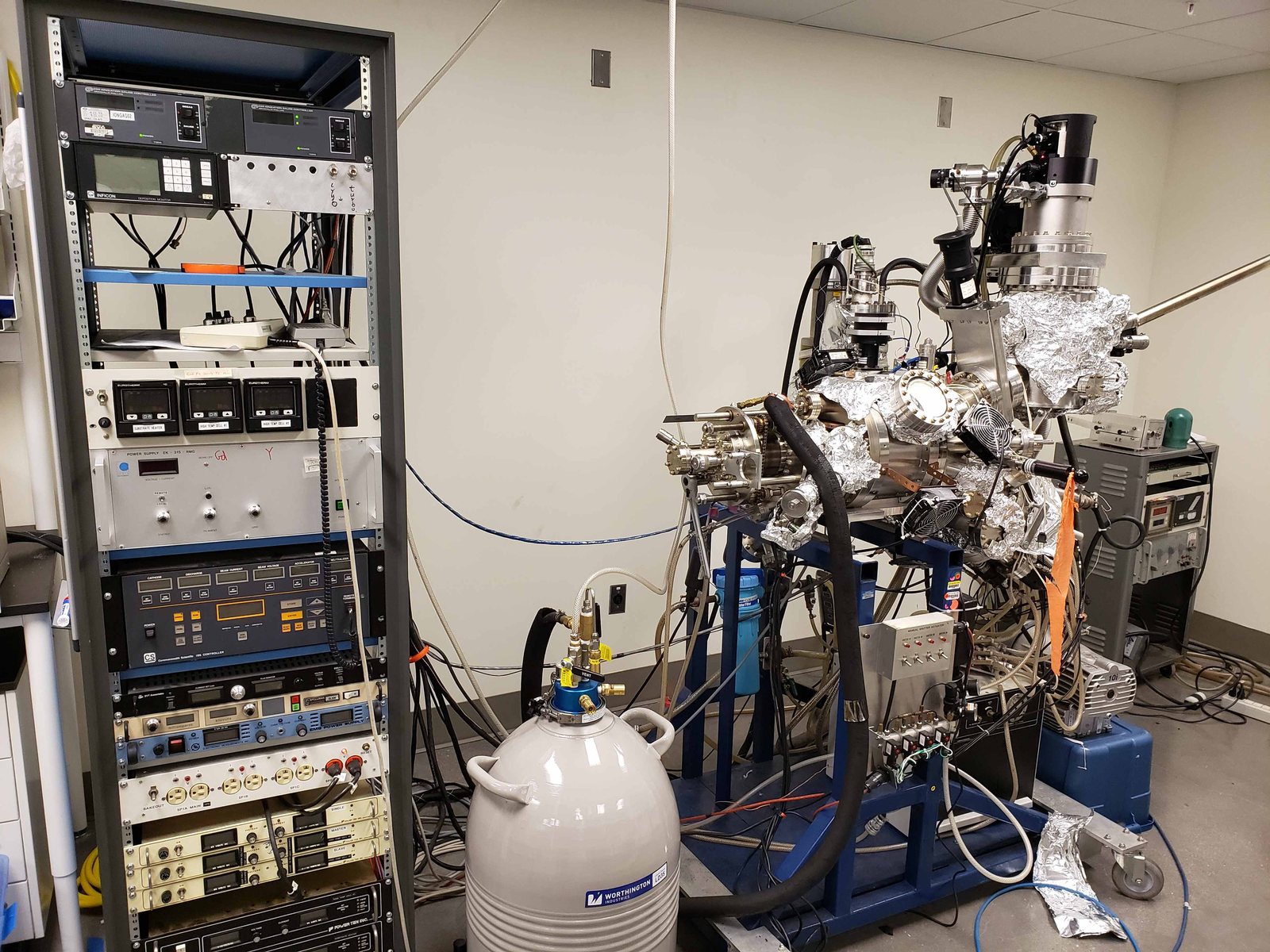
DOMAIN Lab studies functional behavior in magnetic, nanoscale, topological, complex, and biologically derived materials. Our work connects synthesis, advanced scattering, magnetometry, transport, microscopy, and modeling to understand how order, disorder, geometry, and interactions shape material properties.

DOMAIN identity

DOMAIN stands for Disordered, Ordered, Magnetic, Artificial, and Interacting Nanomaterials. The name reflects a broad materials portfolio unified by magnetism, nanoscale structure, and neutron/X-ray scattering.

See the research neighborhoods →

Research neighborhoods

Connected directions, shared tools

Magnetic Skyrmions & Chiral Magnetism

Nanomagnetism

Magnetic Skyrmions & Chiral Magnetism

Magnetic skyrmions are chiral magnetic textures in which the magnetic moments wrap into a continuous loop, with the magnetization at the core and perimeter oriented in opposite out-of-plane directions. This unusual magnetic structure gives the skyrmion topological protection, meaning it cannot be continuously deformed into a different topological class without a discontinuous event.
skyrmionstopologySANSPNRmagnetic dynamics
Neutron & X-ray Scattering

Methods

Neutron & X-ray Scattering

Neutron and X-ray scattering are central to the lab because they provide information that is difficult or impossible to obtain with conventional probes. Neutrons are sensitive to both structure and magnetism, penetrate deeply into materials, and can resolve buried interfaces and nanoscale magnetic textures.

PNRSANSGISANSREXSbeamline science
Topological & Quantum Materials

Quantum interfaces

Topological & Quantum Materials

Topological and quantum materials exhibit properties that are governed by electronic structure, symmetry, and interfaces. In these systems, surfaces and buried boundaries can host electronic states with coupled spin, charge, and momentum behavior.

topological materialsspin-momentum lockinginterfacesheterostructures
Voltage Control & Magneto-Ionics

Non-volatile materials control

Voltage Control & Magneto-Ionics

Controlling material properties with voltage offers a route toward on-demand functional materials: magnets, electronic states, optical response, thermal response, and superconducting behavior could in principle be switched or tuned electrically.

magneto-ionicsoxygen migrationvoltage controlheterostructures
High-Entropy & Compositionally Complex Materials

Materials discovery

High-Entropy & Compositionally Complex Materials

High-entropy alloys and oxides contain multiple principal elements distributed across a lattice. This creates broad distributions in atomic mass, radius, electronegativity, spin, and bonding, which can strongly perturb electronic, magnetic, structural, and thermal behavior.

HEAHEOcomplex materialscombinatorial synthesisfunctional disorder
Nanowire Metamaterials

Architected materials

Nanowire Metamaterials

Metallic nanowires can be woven or assembled into low-density structures similar to nanoscale bird nests. These scaffolds combine very low density with enormous surface-area-to-volume ratio and the intrinsic functionality of metals.

nanowiresmetamaterialsultralight metalsmicrowave responseextreme environments
Biomagnetism & Magnetoreception

Magnetism in living systems

Biomagnetism & Magnetoreception

This work started with a deceptively simple question: honeybees are magnetic, but what about the rest of the bees? That question opened a research direction connecting nanomagnetism, organismal biology, ecology, phylogeny, and magnetoreception.

beesferromagnetismmagnetoreceptionphylogenynatural history

News

Recent highlights

Science Advances paper on bee magnetism

The lab, with collaborators in ecology and evolutionary biology, published a broad survey showing that ferromagnetic signatures are widespread across bee species and connected to phylogeny, natural history, and sociality.

UT public feature on bee magnetism

UT’s Tickle College of Engineering highlighted the bee magnetism collaboration and the unusual path from a dinner-table question to a Science Advances publication.

NSSA Science Prize

Recognition from the Neutron Scattering Society of America for science enabled by neutron scattering.

Promotion to Associate Professor

Dustin Gilbert was promoted to tenured Associate Professor in Materials Science and Engineering at UTK.

DOE Early Career Award

The lab received a DOE Early Career Award to develop neutron and X-ray approaches for chiral magnetic structures.

People and place

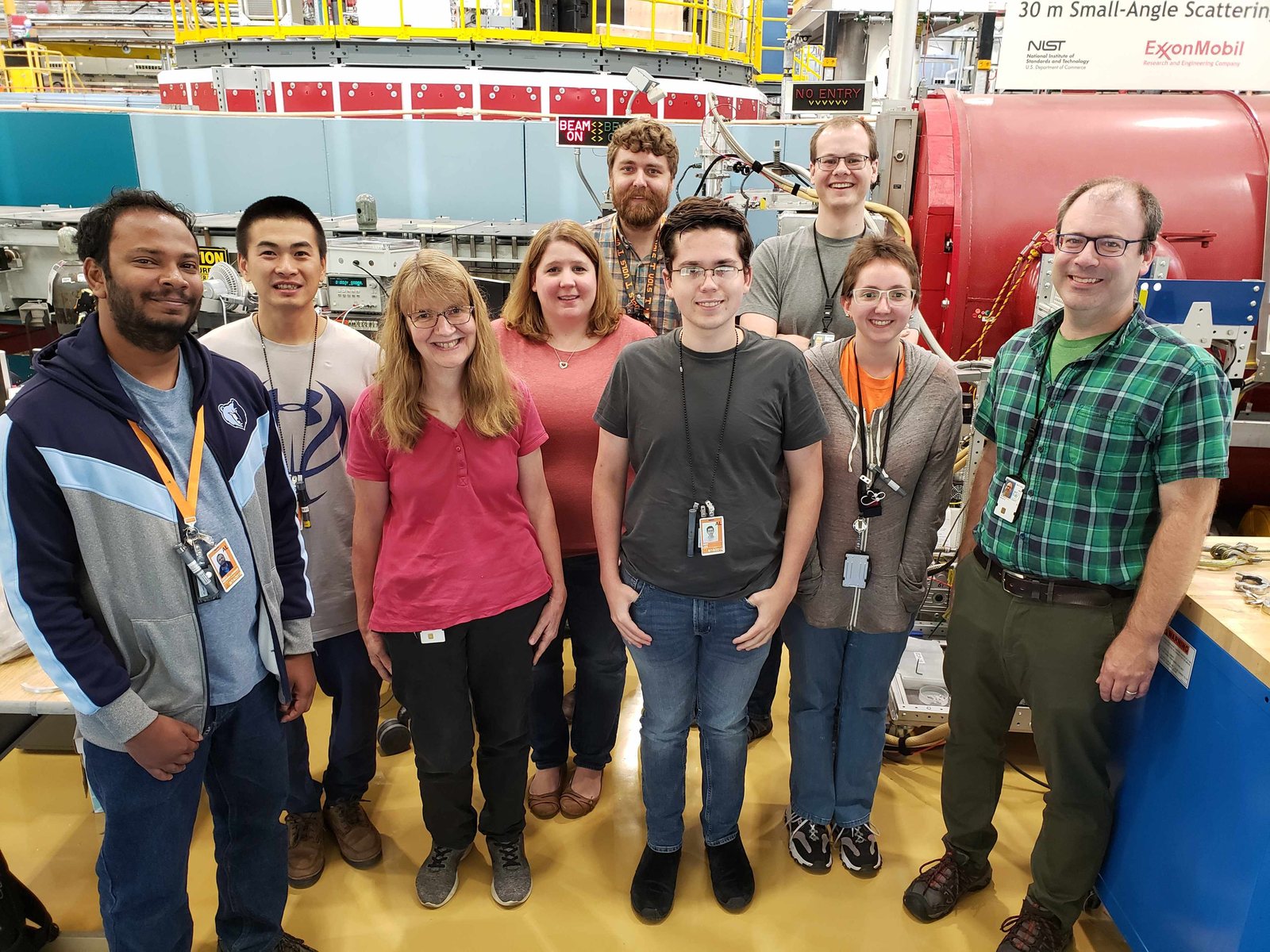
A research group built around students, facilities, and collaborations

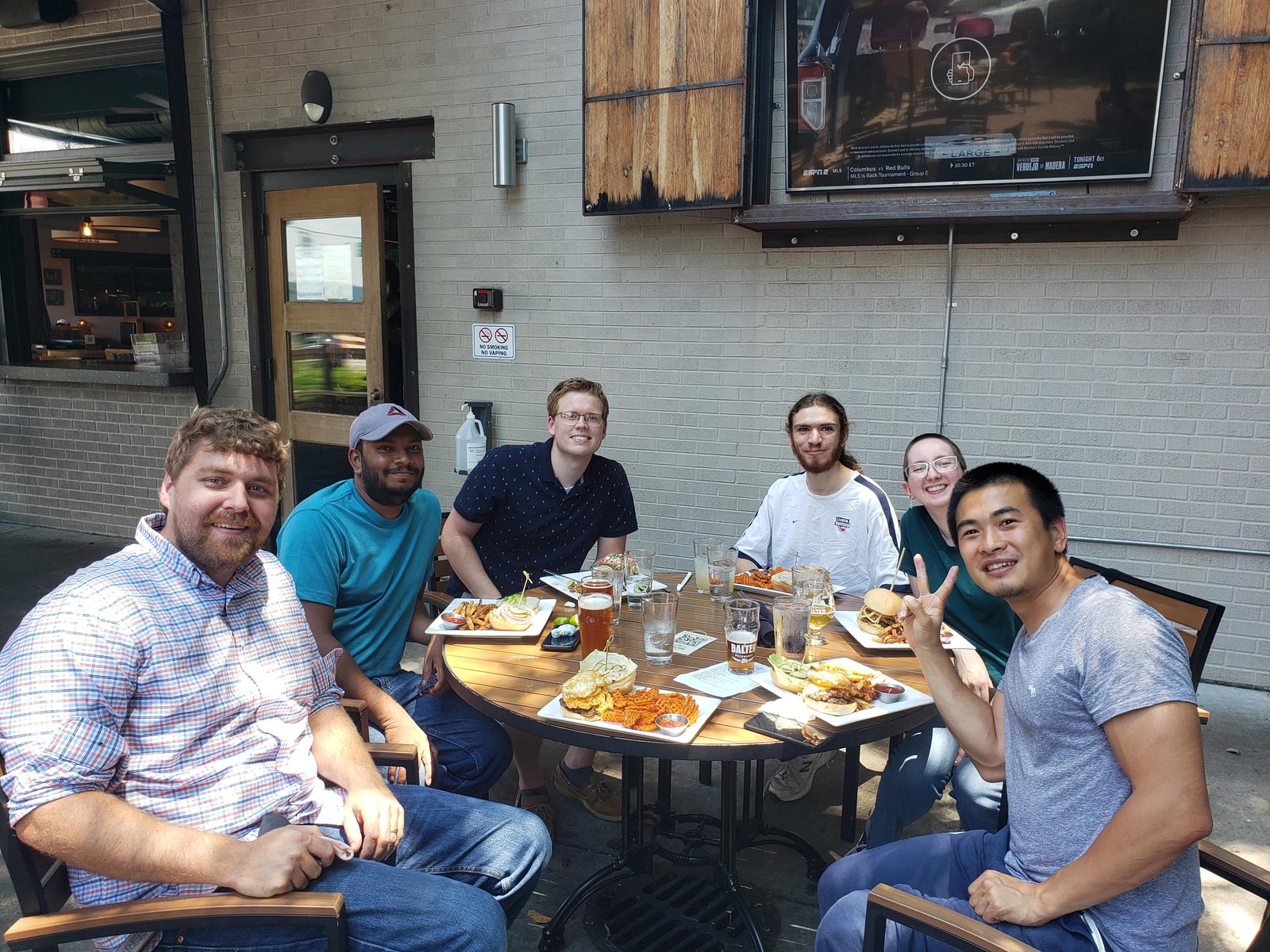
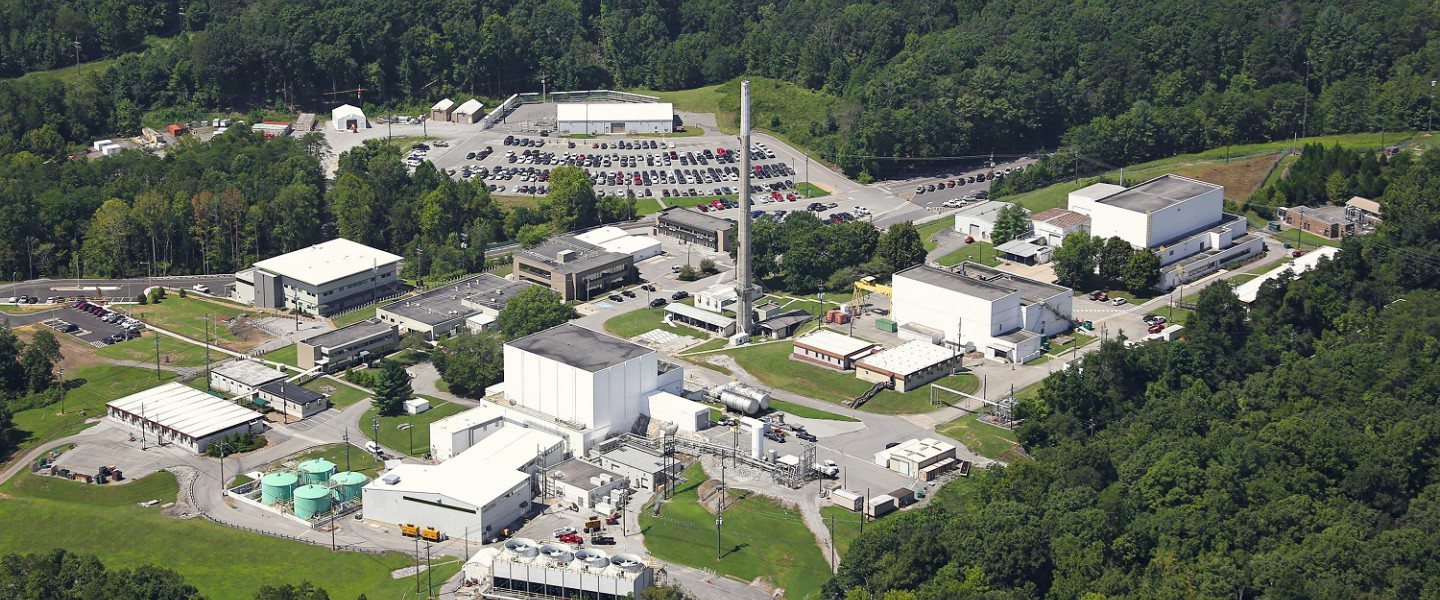
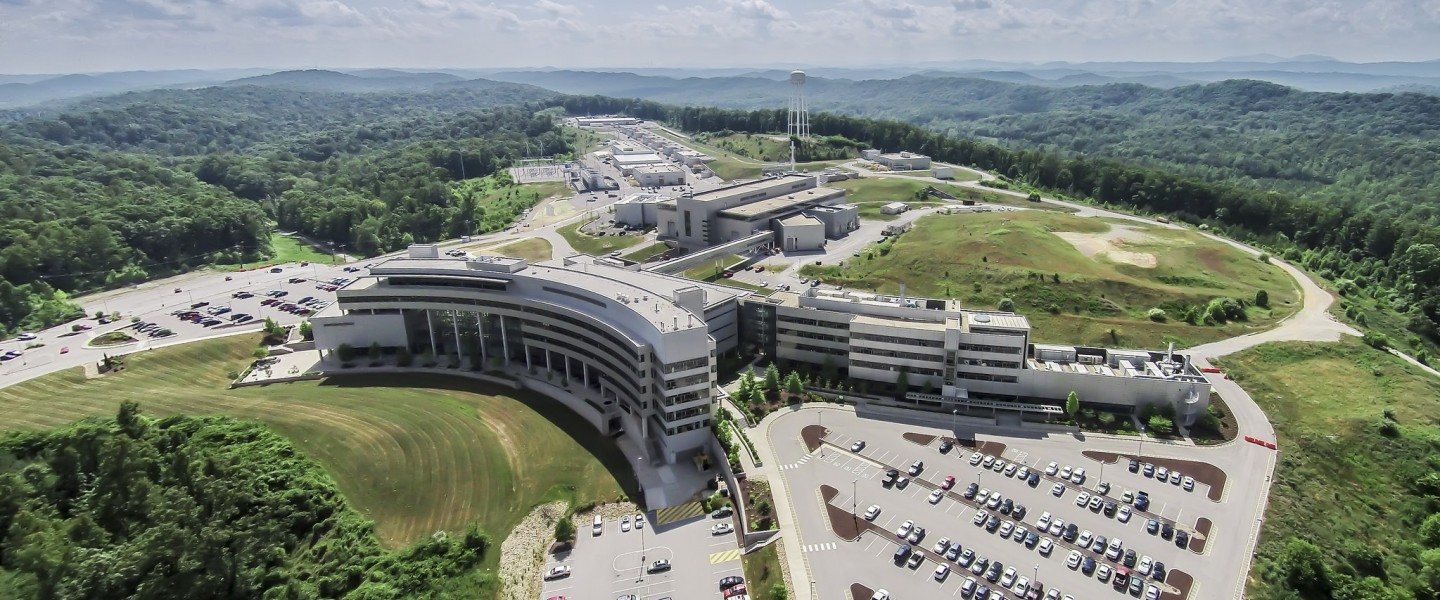
Group photoSNSLab lunch